Moussaka Explained: Ingredients, Regional Swaps & Pro Baking Tips
Few dishes evoke the warmth, richness, and culinary heritage of the Mediterranean quite like moussaka. This iconic casserole, with its tantalizing layers of savory meat, tender vegetables, and a creamy béchamel topping, is more than just a meal; it's a culinary journey. From its humble origins in the Eastern Mediterranean to its modern status as Greece's national dish, moussaka has captivated palates worldwide. But what exactly makes a truly authentic moussaka, and how can you master this beloved dish in your own kitchen?
In this comprehensive guide, we'll delve deep into the core ingredients, explore its fascinating history and diverse regional variations, and equip you with professional tips to bake a moussaka that will impress even the most discerning gourmands. Get ready to uncover the secrets behind this layered masterpiece.
The Anatomy of Moussaka: Unpacking Its Delectable Layers
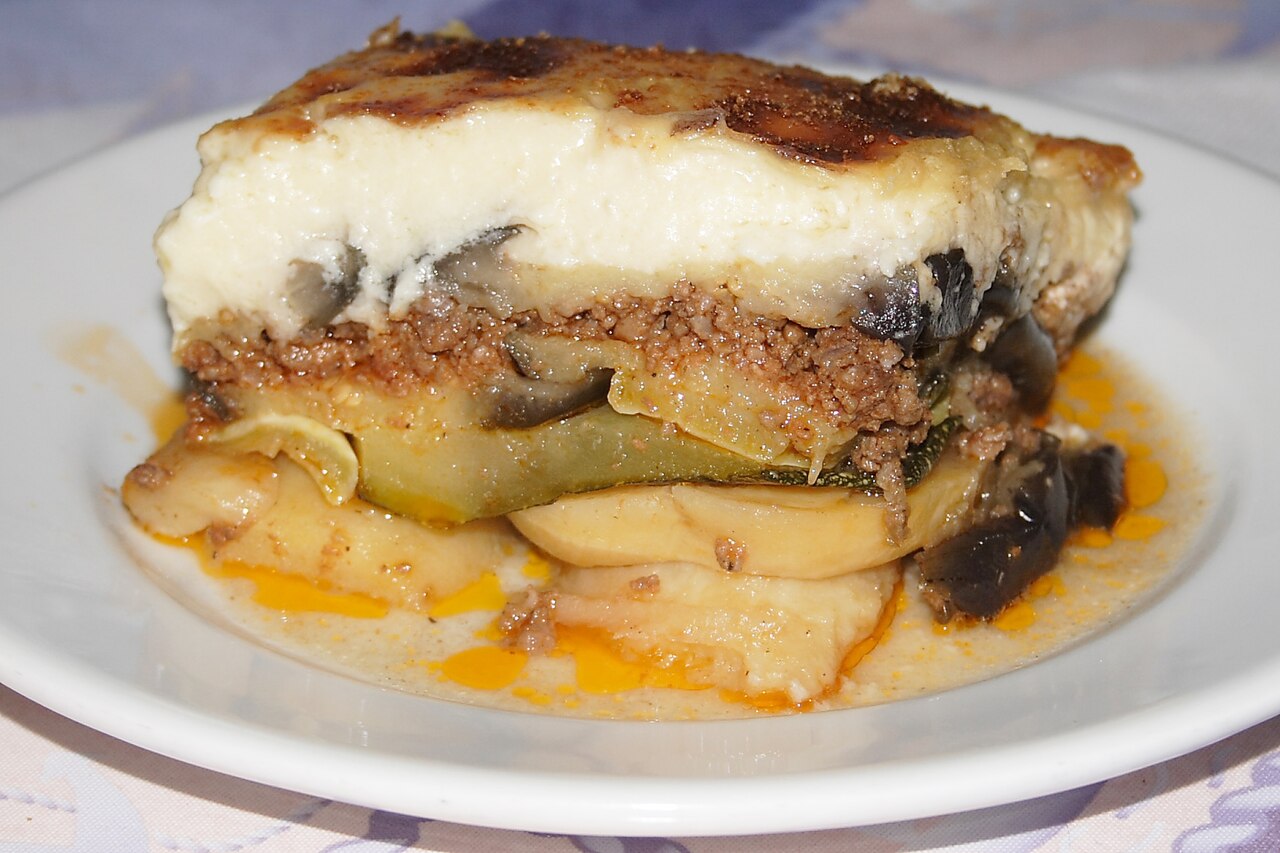
At its heart, moussaka is a symphony of three distinct yet harmoniously blended layers, each contributing its unique texture and flavor to the overall experience. Understanding these components is key to appreciating and recreating an authentic dish.
The Foundational Layer: Vegetables
Traditionally, the base of moussaka is built upon thinly sliced vegetables, most commonly aubergines (eggplants) and/or potatoes. The preparation of this layer is crucial:
- Eggplant (Aubergine): Often considered the star, eggplant slices are typically salted and left to "sweat" out excess moisture and bitterness. Following this, they are either pan-fried until golden or roasted in the oven until tender. This step is vital for preventing a watery moussaka and adding depth of flavor.
- Potatoes: In many Greek versions, especially in northern regions like Macedonia, parboiled potato slices form an additional or alternative base layer. They provide a comforting, hearty texture and absorb the flavors of the meat sauce beautifully.
Some regional variations might even introduce artichokes, particularly in the Cyclades islands, showcasing the adaptability of this versatile dish.
The Heart of the Dish: Spiced Ground Meat Sauce
The middle layer is where moussaka truly gets its soul. A rich, savory ground meat sauce is simmered to perfection, infusing the casserole with aromatic spices and robust flavors. Key elements include:
- Meat: Traditionally, ground lamb or beef is used, sometimes a combination of both. The fat from the meat contributes significantly to the sauce's richness.
- Aromatics: Onions and garlic form the fragrant base, sautéed until translucent to build a foundation of flavor.
- Tomatoes & Wine: Crushed tomatoes, tomato paste, and a splash of red wine create a deeply flavored, slightly acidic sauce that perfectly balances the richness of the meat and spices.
- Signature Spices: This is where the Greek character truly shines. Cinnamon, oregano, and allspice are indispensable, lending a warm, earthy, and subtly sweet aroma that is instantly recognizable. A hint of nutmeg is also common.
Allowing this meat sauce to simmer slowly is essential; it reduces, thickens, and intensifies the flavors, making it the perfect filling.
The Crowning Glory: Creamy Béchamel Sauce
The final, irresistible layer of Greek moussaka is a luscious béchamel sauce. This French-inspired addition, popularized by chef Nikolaos Tselementes in the early 20th century, elevates the dish from a rustic stew to an elegant casserole. Made from a roux of butter (or olive oil) and flour, slowly whisked with milk until thick and velvety, the béchamel is often enriched with eggs and grated cheese (such as Kasseri, Graviera, or Parmesan) for an extra custardy texture and golden finish. It bakes into a beautiful, slightly crisp topping that encases the layers beneath in a blanket of creamy goodness.
A Journey Through History and Regional Flavors
The story of moussaka is as layered as the dish itself, reflecting centuries of culinary exchange across the Eastern Mediterranean and Middle East. Its origins are deeply intertwined with the Arabic term musaqqâ (مسقعة), meaning "moistened" or "chilled," referencing early preparations that might have been served cold or were liquid-infused. Indeed, historical records point to a 13th-century Baghdad recipe called maghmuma, which combined spiced aubergines and meat, as a possible ancestor.
As the dish spread across the vast Ottoman Empire, it evolved, giving rise to numerous regional interpretations. Turkish musakka, for instance, often appears as a simpler, vegetable-and-meat stew, typically without the béchamel. Similarly, Balkan and Levantine variations tend to be less reliant on a creamy topping, focusing instead on the robust flavors of the meat and vegetables. For a deeper dive into this fascinating evolution, explore From Arabic Roots to Greek Icon: The Moussaka Story.
The modern Greek moussaka, however, gained global prominence largely thanks to the culinary innovations of Chef Nikolaos Tselementes. His seminal 1932 cookbook, Odigos Mageirikis, introduced the creamy French béchamel sauce to the traditional recipe, transforming it from a regional peasant dish into the national icon we recognize today. This fusion of ancient Levantine roots, Ottoman influence, and Western culinary techniques truly embodies the diverse tapestry of Greek cuisine.
Mastering Moussaka: Pro Baking Tips & Ingredient Swaps
While the prospect of layering and baking can seem daunting, making an exceptional moussaka is achievable with a few pro tips and an understanding of how to adapt it to your preferences.
Pro Baking Tips for a Flawless Moussaka
- Proper Eggplant Prep is Non-Negotiable: Don't skip salting the eggplant slices. This draws out bitter juices and excess water, preventing a soggy casserole. After salting, rinse and pat them thoroughly dry before frying or roasting. Roasting offers a lighter, less oily result.
- Simmer the Meat Sauce: Allow your meat sauce to simmer gently for at least 20-30 minutes. This concentrates the flavors and ensures it's thick enough to cling to the vegetables without making the moussaka watery.
- Smooth Béchamel is Key: When making the béchamel, whisk continuously as you add the milk to the roux to prevent lumps. Cook it until it's thick enough to coat the back of a spoon. If adding eggs, temper them by whisking a small amount of hot béchamel into the eggs first before incorporating them into the main sauce.
- Thoughtful Layering: Distribute each layer evenly. Start with a thin layer of vegetables, followed by a generous layer of meat sauce, and repeat. Finish with an ample topping of béchamel, spreading it smoothly to cover all the underlying layers.
- Patience is a Virtue (Post-Baking): This is perhaps the most crucial tip! Once your moussaka emerges golden and bubbly from the oven, resist the urge to cut into it immediately. Let it rest for at least 15-30 minutes. This allows the layers to set, making it easier to slice and ensuring it holds its shape beautifully on the plate. The flavors also meld and deepen during this resting period.
For a detailed step-by-step guide on creating the perfect moussaka, check out Mastering Authentic Greek Moussaka: A Layered Casserole Guide.
Ingredient Swaps & Dietary Adaptations
The beauty of moussaka lies in its flexibility. While the classic Greek version is definitive, you can easily adapt it to various dietary needs and preferences:
- Vegetarian/Vegan Moussaka:
- Meat Substitute: Replace ground meat with lentils, finely chopped mushrooms, textured vegetable protein (TVP), or a combination of various vegetables like zucchini, peppers, and carrots.
- Béchamel: Use plant-based milk (almond, soy, oat) and a dairy-free butter substitute for the roux. Nutritional yeast can add a cheesy flavor.
- Gluten-Free Moussaka: Simply swap regular all-purpose flour for a gluten-free flour blend when making the béchamel sauce. Ensure all other ingredients are naturally gluten-free.
- Low-Carb Moussaka: Omit the potato layer entirely and use extra eggplant or other low-carb vegetables like zucchini for the base.
- Cheesy Swaps: While Kasseri or Graviera are traditional Greek cheeses for the béchamel, Parmesan, Gruyère, or even a sharp cheddar can be excellent substitutes, adding their own distinct flavor profiles.
Beyond the Plate: Moussaka's Cultural Resonance
More than just a delicious dish, moussaka holds deep cultural significance in Greece and among its diaspora communities worldwide. It embodies Greek culinary identity, reflecting a rich history of influences from the East and West. It's a staple at family gatherings, religious festivals, and celebrations, often served as a comforting centerpiece meal.
The process of making moussaka, though time-consuming, is often seen as an act of love and hospitality. Its presence on a dining table symbolizes warmth, generosity, and heritage, connecting generations through shared flavors and traditions. Whether enjoyed in a bustling Athens taverna, at a Greek-American diner, or lovingly prepared in a home kitchen, moussaka remains a powerful symbol of Greek culture and a testament to the enduring power of good food.
Conclusion
From its ancient roots in the heart of the Middle East to its refined status as a Greek culinary icon, moussaka is a dish that tells a story through its layers. It's a testament to the evolution of cuisine, the fusion of cultures, and the timeless appeal of comforting, wholesome food. Armed with an understanding of its key ingredients, historical journey, and the pro tips shared, you're now ready to embark on your own moussaka-making adventure. Whether you stick to the classic recipe or experiment with regional and dietary adaptations, the reward will be a deeply satisfying and undeniably delicious meal that's truly worth the effort.
