Mastering Authentic Greek Moussaka: A Layered Casserole Guide
Few dishes evoke the warmth and rich culinary heritage of Greece quite like moussaka. More than just a meal, authentic Greek moussaka is a culinary masterpiece—a symphony of carefully balanced flavors and textures, layered to perfection. It's the ultimate comfort food, deeply satisfying and steeped in tradition, often gracing tables at family gatherings and celebrations across the globe. While variations of this beloved casserole exist throughout the Eastern Mediterranean and Middle East, it's the distinctive Greek rendition, complete with its luxurious, creamy béchamel topping, that has captivated palates worldwide and become a true national icon.
From Ancient Roots to a Greek Classic
The story of moussaka is as rich and layered as the dish itself, reflecting centuries of culinary exchange across empires and cultures. Its origins trace back to the 13th-century Arabic term "musaqqâ" (or "musaqa'a"), meaning "moistened" or "chilled," referencing early preparations that often served vegetables in a spiced sauce. This term evolved from an even older Baghdadi recipe called "maghmuma," which combined aubergines with spiced meat. As the Ottoman Empire expanded, so too did this foundational dish, influencing diverse cuisines from Turkey and the Balkans to the Levant. During this period, moussaka often appeared as a simpler stew, lacking the creamy béchamel that defines its modern Greek counterpart.
The transformation of moussaka into the globally recognized Greek classic we know today is largely credited to Nikolaos Tselementes, a pioneering Greek chef. In his influential 1932 cookbook, "Odigos Mageirikis" (Guide to Cooking), Tselementes introduced a French-inspired béchamel sauce to the traditional preparation. This innovative addition elevated moussaka from a regional peasant dish to a sophisticated national delicacy, solidifying its place in Greek culinary identity. Tselementes' refinement not only modernized the recipe but also cemented the distinct, layered structure that makes Greek moussaka so special. To delve deeper into this fascinating journey, explore
From Arabic Roots to Greek Icon: The Moussaka Story.
The Anatomy of Authentic Greek Moussaka
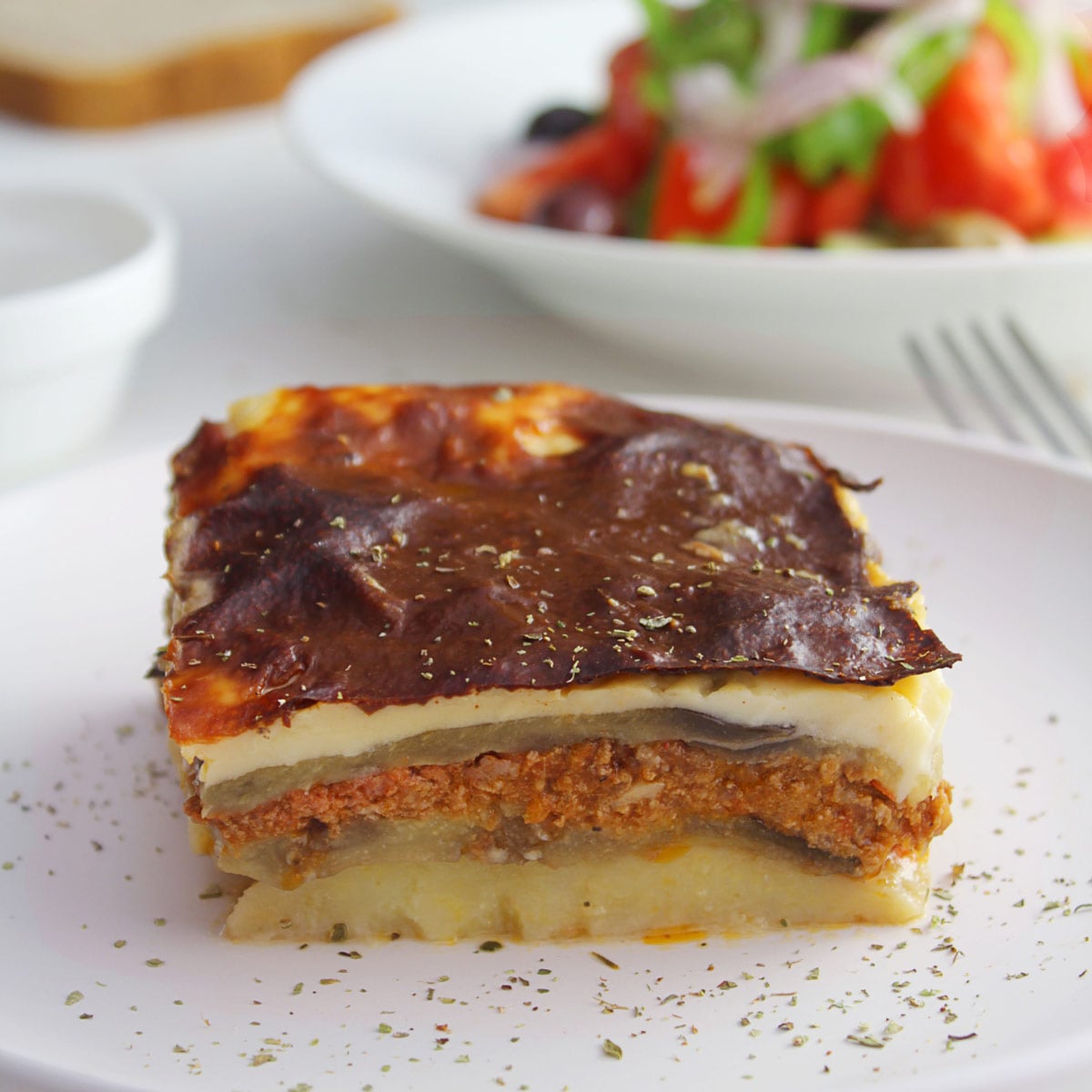
At its heart, authentic Greek moussaka is a testament to the power of layering, with each component contributing to a harmonious and deeply satisfying whole. The traditional preparation consists of three primary layers: a base of vegetables, a savory spiced meat sauce, and a crowning béchamel.
*
The Foundation: Eggplant and/or Potato
The base typically features slices of eggplant (aubergine), often accompanied by or sometimes even substituted with potato slices, especially in regions like northern Greece's Macedonia. The eggplant is crucial for its slightly bitter, earthy flavor and tender texture. To prevent the finished dish from becoming watery, the eggplant slices are traditionally salted to draw out moisture, then either fried until golden or roasted in the oven. Frying imparts a richer flavor, while roasting offers a lighter alternative. Potatoes, when used, are often parboiled to ensure they cook through evenly within the casserole.
*
The Heart: Rich, Spiced Meat Sauce
This is where the true character of Greek moussaka shines through. A robust meat sauce, usually made with ground beef or a mixture of beef and lamb, forms the luscious middle layer. Onions and garlic are sautéed, followed by the ground meat, which is browned and then simmered with a rich tomato base, often including crushed tomatoes, tomato paste, and a splash of red wine. What truly distinguishes the Greek meat sauce are the warming, aromatic spices: cinnamon, oregano, and sometimes a hint of allspice or nutmeg. These spices create a distinctive sweet and savory profile that is unmistakably Greek, mingling beautifully with the savory meat and tangy tomatoes.
*
The Crown: Creamy Béchamel Sauce
The grand finale of Greek moussaka is its signature béchamel sauce. This thick, creamy, and custardy topping sets the Greek version apart from its Middle Eastern and Balkan relatives. Made from a roux of butter (or olive oil) and flour, slowly whisked with warm milk, the béchamel is cooked until rich and smooth. Traditionally, eggs are incorporated to give it a custardy texture, and grated hard cheese like Kasseri or Parmesan is often folded in for an extra layer of flavor and to help it brown beautifully during baking. This creamy layer bakes to a golden, bubbly perfection, adding a velvety contrast to the savory layers beneath.
Crafting Your Own Moussaka: Tips for Success
Making moussaka is a labor of love, but the rewarding results are well worth the effort. Here are some essential tips to guide you in creating an authentic Greek moussaka that will impress:
1.
Mastering the Eggplant Prep: Don't skip salting the eggplant. Slice them about half an inch thick, sprinkle generously with salt, and let them sit for 30-60 minutes to "sweat out" excess moisture and bitterness. Pat them thoroughly dry before frying or baking. If frying, use good quality olive oil sparingly; if baking, brush lightly with olive oil. This step is crucial for preventing a soggy moussaka.
2.
Developing Deep Flavor in the Meat Sauce: Take your time browning the meat until it's nicely caramelized. Deglaze the pan with red wine to scrape up any flavorful bits. Simmer the sauce gently for at least 30-45 minutes (or even longer) after adding tomatoes and spices. This allows the flavors to meld and deepen, creating a truly rich foundation. Taste and adjust seasonings – a little extra cinnamon or oregano can make a big difference.
3.
Achieving Béchamel Perfection: The key to a smooth béchamel is continuous whisking. When making the roux, cook the flour and butter mixture for a minute or two to eliminate the raw flour taste. Gradually add warm milk, whisking vigorously to avoid lumps. If adding eggs, temper them by whisking a small amount of the hot béchamel into the eggs first before incorporating the egg mixture back into the main sauce. This prevents the eggs from scrambling.
4.
The Art of Layering: A sturdy baking dish is essential. Start with a thin layer of béchamel or meat sauce on the bottom to prevent sticking. Arrange the eggplant and/or potato slices snugly. Spread the meat sauce evenly, ensuring good coverage. Finish with the generous, smooth béchamel topping.
5.
Patience is Key: Baking and Resting: Moussaka typically bakes for 45-60 minutes at around 180°C (350°F), or until the béchamel is golden brown and bubbly. However, the most crucial step comes after baking:
resting. Allow your moussaka to rest for at least 30 minutes, or even an hour, after it comes out of the oven. This allows the layers to set properly, ensuring clean, elegant slices that won't fall apart on the plate. Trust us, patience pays off. For more in-depth advice on ingredients, regional variations, and baking techniques, check out
Moussaka Explained: Ingredients, Regional Swaps & Pro Baking Tips.
Variations and Cultural Significance
While the classic Greek moussaka with béchamel is widely celebrated, the dish boasts numerous regional adaptations within Greece itself. In areas like the Cyclades islands, you might find versions incorporating artichokes, while in northern Greece, potato-heavy moussaka is more common. Beyond Greece, other countries in the Eastern Mediterranean and Balkans have their own unique take on moussaka, often omitting the béchamel or using different spices and vegetables.
For those with dietary restrictions, moussaka is also wonderfully adaptable. Vegetarian and vegan versions can be crafted using lentils, mushrooms, or a blend of vegetables for the "meat" layer, ensuring that everyone can enjoy the comforting flavors of this iconic casserole.
Culturally, moussaka is far more than just a dish; it embodies Greek culinary identity, symbolizing hospitality, family, and tradition. It's a staple on festive occasions, in traditional Greek diners (tavernas), and within Greek diaspora communities worldwide. Its complex blend of ancient Levantine influences, Ottoman heritage, and Western culinary refinements tells a story of a vibrant culture that embraces diverse influences while maintaining its unique character.
Conclusion
From its humble origins in the ancient Middle East to its refined status as a Greek national treasure, moussaka represents a profound journey through culinary history. The authentic Greek moussaka, with its perfectly balanced layers of tender eggplant, richly spiced meat sauce, and creamy béchamel, offers an unparalleled taste experience. It's a dish that not only satisfies the palate but also nourishes the soul, connecting us to centuries of tradition and the generous spirit of Greek hospitality. Embark on your own culinary adventure and discover the magic of mastering this truly iconic casserole—your efforts will be rewarded with a dish that is deeply comforting, undeniably delicious, and truly unforgettable.